

Consumers are tired of being chased. We see it every day across the digital landscape. A user looks at a product online, and suddenly that exact item follows them across every platform for a month. This is not a strategy. This is simply digital stalking.
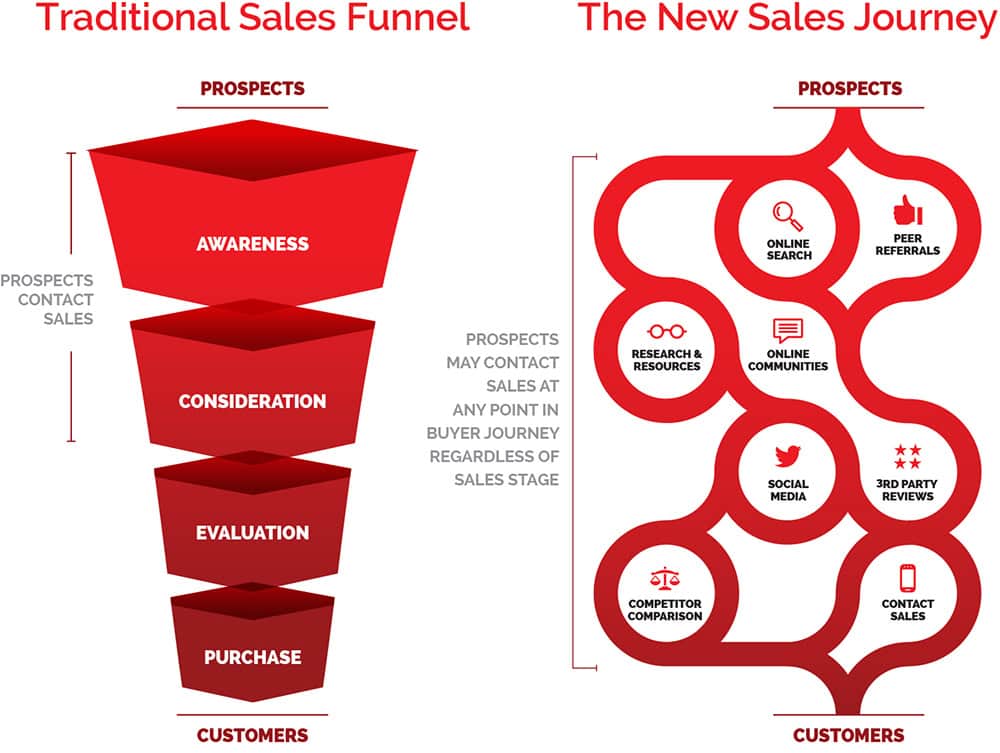
Modern consumers, particularly in a highly connected market like South Africa, possess a refined radar for inauthentic marketing. They know when they are being pushed through a rigid sales funnel. They can feel the pressure of a hard sell.
To win long-term loyalty, we must stop building aggressive funnels and start building marketing ecosystems. A seamless ecosystem guides a prospect naturally from discovery to purchase. It provides value at every touchpoint, turning complex buyer behaviour into commercial clarity.
The line between helpful and harassing is incredibly thin. When brands focus entirely on extracting value rather than creating it, the customer experience breaks down rapidly.
Traditional marketing funnels are strictly linear. They assume a buyer will see an advert, click a link, read a landing page, and immediately make a purchase. However, human behaviour is rarely that simple.
When we force people into a linear path, we ignore their need for research, comparison, and consideration. This rigid approach to conversion optimisation often results in aggressive tactics. Brands start using countdown timers, exaggerated scarcity, and intrusive pop-ups to force a decision.
There is a distinct difference between brand visibility and brand fatigue. Hitting the same audience with the exact same promotional message multiple times a day does not build trust. It builds resentment.
In South Africa, where consumers are already bombarded with daily promotional SMS messages and emails from major retailers, message fatigue is a critical issue. If your cross-channel marketing strategy simply involves copying and pasting a sales pitch across Facebook, LinkedIn, and email, your audience will eventually tune you out.

Short-term thinking destroys long-term brand equity. If a marketing team’s only metric for success is immediate daily sales, the brand voice will inevitably become desperate and transactional.
We often see companies sacrifice their premium positioning just to hit a monthly target. They discount heavily, shout loudly, and erode the perceived value of their product. A healthy ecosystem balances short-term conversion needs with long-term brand building.
To stop selling aggressively, we need to fundamentally change how we view our digital presence. We must move away from isolated tactics and embrace a holistic view.
A marketing ecosystem is a network of interconnected digital and physical touchpoints. Much like a biological ecosystem, every element relies on the others to function effectively. Your social media, email newsletters, website, and customer service are not separate departments. They are vital organs of the same body.
When these elements communicate seamlessly, the customer feels understood. They can transition from a helpful blog post to a social media video, and finally to a product page, without ever feeling a jarring shift in tone.
Many brands still operate in a campaign mindset. They launch a big promotion, run it for a month, and then go quiet. This creates a deeply inconsistent brand experience.
Instead of relying on sporadic bursts of noise, we must build always-on environments. Integrated marketing ensures that a customer can enter your ecosystem at any time, from any channel, and immediately find relevance. The focus shifts from “What are we selling this month?” to “How are we serving our audience today?”

You cannot build a seamless ecosystem without a deep understanding of the customer journey. We need to map out exactly how our ideal buyers navigate their specific problems.
To design an effective journey, we must ask critical questions at every stage:
Brand consistency does not mean saying the exact same thing everywhere. It means speaking with the same core identity while adapting to the context of the platform.
Your brand must feel like the same entity whether a customer is reading a whitepaper or watching a short-form video. The tone might shift slightly (more professional on LinkedIn, more relaxed on Instagram), but the underlying values must remain rock solid.
If your website promises premium, bespoke service, but your social media relies on cheap memes and clickbait, the ecosystem fractures. Trust is built through predictable, high-quality interactions over time.
One of the biggest mistakes we see in South Africa marketing strategies is treating every platform as a direct sales channel. A seamless ecosystem assigns a specific job to each channel.
A smart channel distribution strategy looks like this:
A fragmented experience occurs when the transition between touchpoints is clumsy. Imagine seeing a beautifully designed, high-budget video advert on YouTube, but clicking through to a slow, outdated website that is not mobile-friendly.
In a mobile-first market like South Africa, where data costs dictate browsing behaviour, a slow website is a fatal flaw. Your ecosystem must be technically sound. If the digital infrastructure fails, the marketing message is irrelevant.
The goal of experience-led marketing is to make the buying decision feel like the natural next step, rather than a forced conclusion.

Instead of backing the customer into a corner with aggressive sales copy, we must act as expert guides. We provide the information, lay out the options clearly, and empower the buyer to make their own choice.
When people feel they are in control of their purchasing decision, buyer’s remorse drops significantly. They become advocates for your brand because they bought into your ecosystem willingly, rather than being manipulated into a transaction.
A powerful content strategy is the lifeblood of a seamless ecosystem. Content should solve a micro-problem for the user before ever asking for a sale. If you sell financial software, your content should first help businesses understand their cash flow challenges.
By giving away valuable knowledge upfront, you trigger the psychological principle of reciprocity. The customer begins to view your brand as a trusted advisor. When the time comes to purchase, you are no longer just a vendor. You are the obvious partner.
Friction is the enemy of a seamless ecosystem. Every unnecessary form field, broken link, or confusing navigation menu creates an opportunity for the customer to leave.
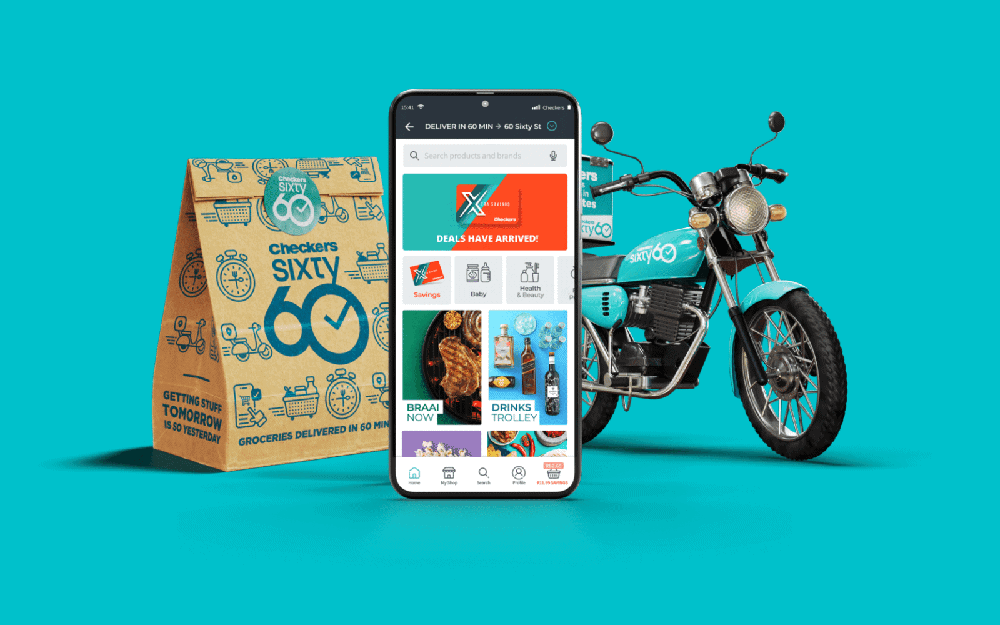
Look at the success of local platforms like Checkers Sixty60. Their explosive growth was not driven by traditional advertising alone. It was driven by an obsessive focus on removing friction from the grocery shopping experience. Your marketing ecosystem must adopt this same obsession with operational ease.
If you build an interconnected ecosystem but continue to measure it using isolated metrics, you will quickly misjudge your success.
While conversion optimisation is important, it cannot be the only lens through which we view performance. A seamless ecosystem requires us to look at the holistic impact of our marketing efforts.
We must track how different channels assist one another. A user might discover you via an organic search, follow you on LinkedIn for three months, and eventually convert through a direct website visit. If you only measure the last click, you will completely undervalue the content that nurtured that relationship.
To truly understand if your ecosystem feels seamless, you need to monitor qualitative signals alongside your quantitative data.
Key indicators of a healthy ecosystem include:
Building a marketing ecosystem requires patience. It takes time to map the customer journey, create valuable content, and align your cross-channel messaging. However, the commercial payoff is immense.
When you stop relying on aggressive sales tactics, your Customer Acquisition Cost (CAC) stabilises, and your Customer Lifetime Value (CLV) grows. You stop fighting for daily attention and start building a sustainable, revenue-generating asset.
Want to turn a fragmented customer journey into a high-performing revenue engine? If you are ready to build a marketing ecosystem that drives growth without the hard sell, let us map your next move.