

In 2026, most relationships with brands start long before a conversation ever happens. They start with a glance at a screen. Your website design is no longer just a digital brochure. It is your first handshake, your first impression, and often your only chance to earn trust.
Whether someone is browsing on their phone during a commute or researching suppliers late at night, your website sets expectations instantly. It tells people who you are, how credible you seem, and whether it is worth taking the next step. In a world shaped by short attention spans and endless choice, those first seconds matter more than ever.
Think about how you judge someone when you meet them for the first time. You notice confidence, clarity, and ease. Websites work the same way. Before visitors read a word, they feel something.
Your website messaging, visual identity, and performance combine into a single moment of judgement. If the experience feels confusing, slow, or outdated, people assume the same about the business behind it. If it feels considered and easy to use, trust starts to form.
In South Africa, where mobile usage dominates and data is expensive, this handshake needs to be especially respectful. A heavy, cluttered site feels careless. A fast, focused one feels professional.
Research consistently shows that users form opinions about a website in a fraction of a second. They are not analysing features or reading carefully. They are scanning for signals.
Layout, spacing, typography, imagery, and load speed all feed into user experience (UX). When these elements work together, the site feels safe and credible. When they do not, doubt creeps in and visitors leave.
This moment is where digital first impressions are won or lost. You rarely get a second chance.
A poor first impression does real damage. Visitors bounce, leads drop, and paid traffic becomes expensive waste. Even worse, people remember bad experiences. They are far less likely to return or recommend a site that frustrated them.
This is why conversion optimisation is not just about buttons and forms. It starts with clarity, trust, and ease. Fix the handshake and everything downstream improves.
Every website communicates something, even when it is unintentional. Busy layouts suggest confusion. Vague headlines suggest uncertainty. Stock photos suggest distance.
Strong website messaging is clear, specific, and human. It answers simple questions quickly. What do you do? Who is it for? Why should I trust you?
If visitors have to work to understand you, they will not bother.

Your brand identity should not live in a slide deck while your website tells a different story. Colour, tone, imagery, and language must align.
Consistency builds confidence. When what you say matches how you look and how the site behaves, people feel reassured. This alignment is especially important for service businesses, where trust is often the deciding factor.
South African web design has its own context. Audiences are diverse, mobile-first, and highly aware of value. They expect local relevance and practical clarity.
Using familiar language, showing real people, and offering easy ways to get in touch all help your site feel grounded and trustworthy. Local context is not a gimmick. It is a trust signal.
Good UX removes friction. It helps people find what they need without thinking too hard. When navigation is intuitive and pages respond instantly, users feel in control.
That sense of control translates into trust. A website that works smoothly feels reliable. One that hesitates or breaks feels risky.
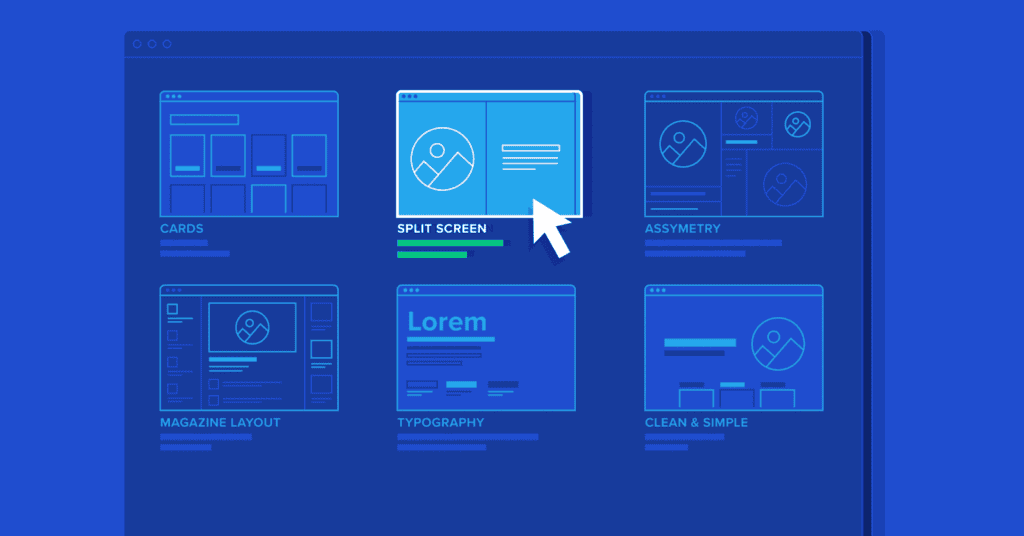
Web performance is no longer optional. Speed affects search visibility, engagement, and conversions. Accessibility ensures your site works for everyone, not just a narrow audience.
In South Africa, mobile-first design is essential. Most users experience your site on a phone, often on unstable connections. Pages need to load fast, text needs to be readable, and interactions need to be easy with one hand.
Every unnecessary step is an opportunity to lose someone. Forms that are too long, menus that are hard to reach, or pages that feel cluttered all add friction.
Clear structure, strong hierarchy, and focused calls to action keep users moving forward. The goal is not to impress. It is to help.
Trust signals reassure visitors that they are in the right place. These include clear contact details, secure connections, professional design, and visible proof of experience.
Design choices play a big role here. Clean layouts, consistent spacing, and thoughtful typography all contribute to credibility, even if users cannot explain why.

Nothing builds trust like evidence. Testimonials, case studies, and real examples show that others have taken the leap before.
Authenticity matters. Real photos, honest language, and specific outcomes are far more persuasive than generic claims. This is where content strategy earns its keep.
Once trust is established, conversion becomes easier. Clear calls to action, simple forms, and familiar channels like WhatsApp help bridge the gap between interest and action.
Conversion optimisation works best when it feels natural, not pushy. The site should invite, not pressure.
User expectations evolve quickly. People expect faster load times, clearer information, and smoother experiences every year.
Future-proofing means designing systems that can adapt. Flexible layouts, modular content, and scalable components make it easier to grow without constant rebuilds.
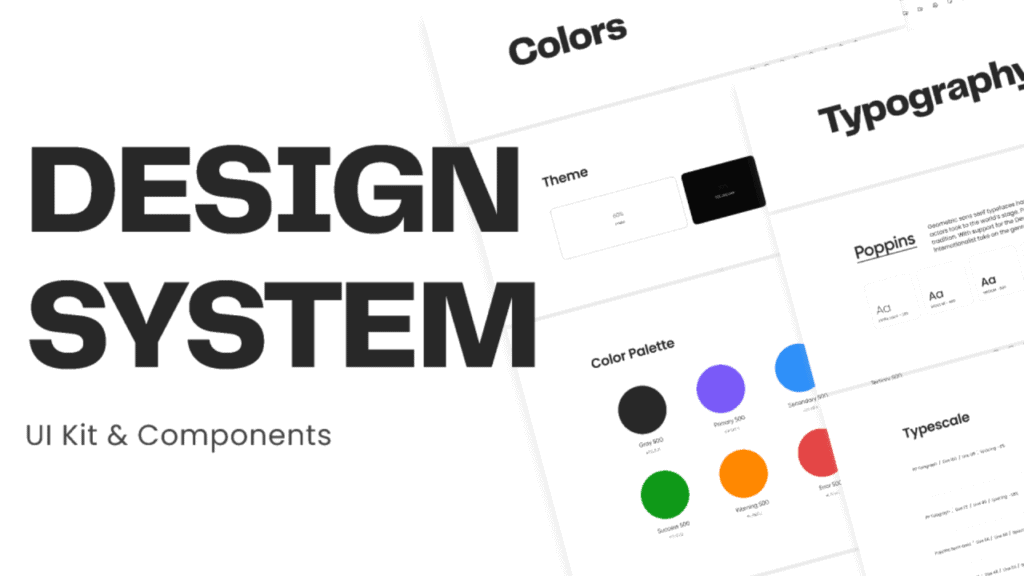
A strong design system ensures consistency while allowing change. It supports your content strategy and keeps brand identity intact as new pages and features are added.
This approach saves time, reduces errors, and keeps experiences cohesive across devices.
Trends come and go. Strategy lasts. A website built around clarity, performance, and user needs will always outperform one chasing visual novelty.
In 2026, the most successful sites are not the loudest. They are the clearest.
If your website no longer reflects the quality of your business, or if it is struggling with performance, clarity, or conversion, it may be time to rethink how it works for you.
Explore our web development service