

For over a decade, digital evangelists have been writing the obituary for television. We have heard the arguments repeatedly. Attention spans are shrinking, mobile is king, and nobody watches broadcast schedules anymore. If you believe the headlines, the 30-second spot is a relic of a bygone era, destined to fade away alongside the fax machine and the printed telephone directory.
Yet, when a global crisis hits, a World Cup final kicks off, or a brand needs to establish undeniable legitimacy, where does the budget go? It goes to the biggest screen in the house.
The reality is that TV advertising isn’t dead. It has simply shed its old skin. The medium has fragmented, digitised, and evolved into something far more powerful than the linear broadcast model of the 1990s. For brands in South Africa and beyond, understanding this rebirth is the difference between shouting into the void and commanding genuine market authority.
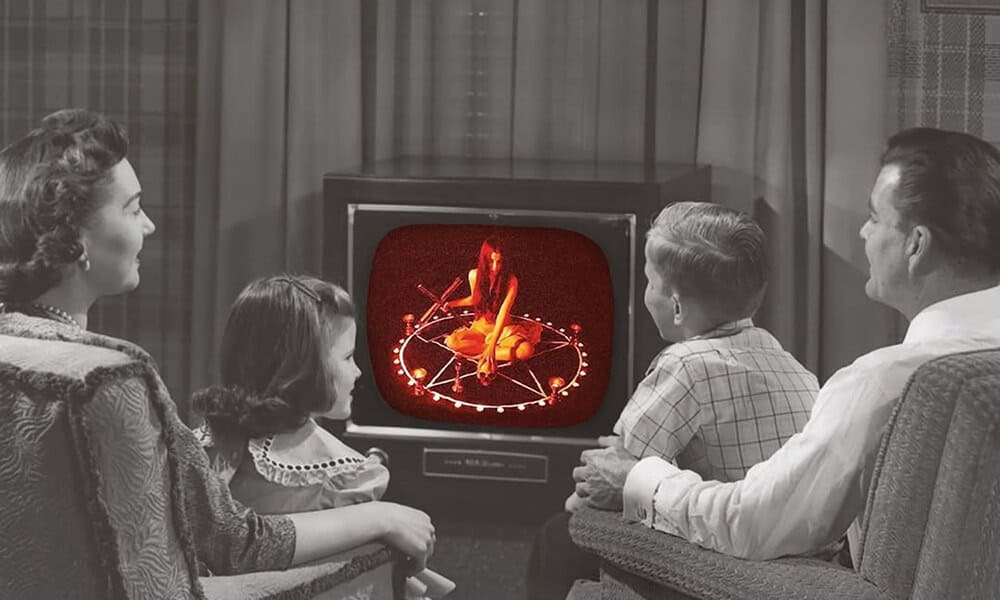
The misconception that television is dying stems from a fundamental confusion between the device and the delivery method. When people say they “don’t watch TV,” they usually mean they do not adhere to a rigid appointment viewing schedule set by a broadcaster. They are not waiting for 8 PM to watch a movie; they are streaming it on demand.
We cannot ignore the migration of eyeballs. The monopoly of linear broadcasting has fractured. Platforms like Netflix, Showmax, Disney+, and YouTube have conditioned audiences to expect content on their own terms. This shift terrified traditional advertisers because it removed the captive audience model where viewers were forced to sit through ad breaks to see the end of a show.
However, this shift did not kill the television set. In fact, sales of large-screen, 4K Smart TVs are robust. The screen is still the focal point of the living room, but the pipe feeding content into it has changed from an RF cable to a fibre line.
In the South African context, this evolution is even more nuanced. While data costs were once a barrier, the rapid expansion of fibre infrastructure into suburbs and townships has democratised access to streaming. We are seeing a hybrid viewing culture emerge:
Declaring TV dead ignores the data. Video consumption is at an all-time high. The definition of “TV advertising” has simply expanded to include Connected TV (CTV), video-on-demand (VOD), and programmatic broadcast. The medium didn’t die; it just became harder to measure with a single metric.

Source: https://www.cosmos.so/e/628440918
If the delivery mechanism has changed, the creative asset must change with it. The days of the “spray and pray” approach, where a generic 30-second ad was blasted to millions in hopes that a few thousand might care, are over. The rebirth of the commercial is driven by relevance and respect for the viewer’s time.
Historically, commercials were designed to interrupt. They were the tax you paid for free entertainment. Today, in a world where the “Skip Ad” button is the most clicked element on the internet, interruption is a risky strategy. If you interrupt, you must be interesting.
We are seeing a shift towards “story-driven” assets. These are commercials that function less like sales pitches and more like short films. They prioritise entertainment value, humour, or emotional resonance over a hard sell. If the content is good enough, the viewer won’t skip. In some cases, they will even share it.
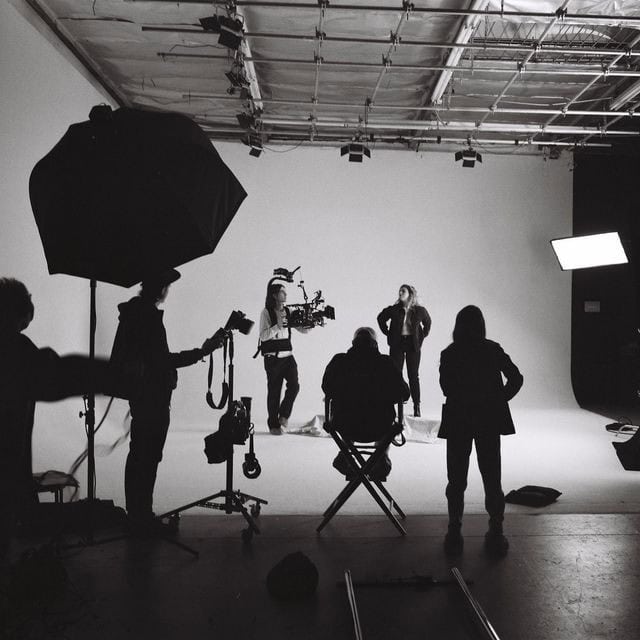
Modern commercial production has had to become more agile. We no longer shoot a single TVC. We shoot a “brand world” that can be sliced and diced. A production shoot today needs to yield:
Constraints breed creativity. The rise of the 6-second bumper ad has forced creative agencies to distill complex messages into a single, potent thought. You cannot waffle when you have six seconds. This discipline has bled back into long-form TV advertising, resulting in tighter scripts, faster editing, and clearer value propositions.
Source: https://www.cosmos.so/e/890824952
Despite the efficiency of digital performance marketing, television remains the home of brand equity. You can sell a product on Facebook, but you build a brand on TV. There is a psychological weight to the format that mobile screens cannot replicate.
Television is an immersive, lean-back experience. When we watch a mobile phone, we are in “hunt” mode (scrolling, clicking, searching). When we watch TV, we are in “receive” mode. We are open to being entertained.
This state of mind is fertile ground for emotion. Audio-visual storytelling on a large canvas allows for sound design, pacing, and visual grandeur that triggers a physiological response. This is why a tear-jerker advertisement works on a 55-inch screen but feels manipulative or annoying on a 5-inch screen.
Consider the cultural impact of major South African campaigns from brands like Nando’s or Chicken Licken. These ads are cultural commentary. They are discussed at braais and shared in WhatsApp groups. That level of cultural penetration is difficult to achieve through fragmented digital targeting alone. TV provides the “watercooler moment” that creates a shared reality for consumers.
High production value signals competence. When a consumer sees a beautifully shot, well-acted commercial, they subconsciously attribute quality to the brand. It signals that the company has resources, stability, and confidence. In a market flooded with low-quality user-generated content, high-end commercial production is a differentiator that builds trust.

Source: https://www.cosmos.so/e/1426452221
The most exciting development in media strategy is the convergence of digital data with broadcast reach. Connected TV (CTV) is the bridge between the two worlds.
CTV refers to any TV set connected to the internet. This includes Smart TVs, gaming consoles, and streaming boxes. For advertisers, this changes the game. We are no longer buying “spots” based on predicted ratings. We are buying audiences.
Smart media strategy now involves a hybrid approach. We might use linear TV for broad awareness (top of the funnel) and layer CTV on top to target specific households that missed the linear ad. This ensures incremental reach.
Furthermore, the creative can be synchronised. A viewer sees the high-level brand story on their TV, and then, ten minutes later, sees a retargeting offer on their mobile device. The TV creates the desire; the mobile captures the action.
The “spray and pray” critique of TV is losing its validity. With programmatic TV buying, we can target households based on location, income brackets, and interests. In South Africa, where economic disparity is vast, the ability to differentiate between a household in Sandton and a household in a rural area ensures that ad spend is not wasted on irrelevant audiences.

Source: https://pin.it/1WgXtDXBf
So, should you dump your digital budget and go all-in on TV? Absolutely not. But you should stop viewing TV as a dinosaur and start viewing it as a premium video channel.
TV makes sense when you need to scale. Digital channels often hit a ceiling where the cost per acquisition starts to rise because you have exhausted your core audience. TV breaks that ceiling. It introduces your brand to people who didn’t know they needed you yet.
To succeed in this new landscape, brands must adopt a “digital-first” mindset for TV production. This doesn’t mean low quality; it means high engagement. The first three seconds are critical. The branding must be identifiable throughout, not just at the end. The audio must work, but the visuals must be compelling enough to hold attention even if the sound is low.
Ultimately, the rebirth of the commercial is about the return of trust. The internet is plagued by fraud, fake news, and fleeting trends. Television, whether broadcast or streamed, retains an aura of legitimacy. Being “as seen on TV” still means something.
We are not witnessing the death of TV. We are witnessing its maturation into a sophisticated, data-led, and emotionally resonant performance channel. The screens are bigger, the data is sharper, and the potential for storytelling has never been greater.
The brands that win in the next decade will be the ones that stop fighting the format and start mastering the mix. They will combine the emotional power of the commercial with the precision of digital targeting to create campaigns that are impossible to ignore.
Want to turn passive viewership into active market share? If you are ready to produce commercials that don’t just fill a slot but define a category, let’s talk.